Retaining Walls & Concrete Masonry
We build structural walls that prevent erosion, create usable space, and add functional beauty to your property.
Sloped yards and uneven terrain create challenges for landscaping and property use. Erosion washes away soil, creating gullies and exposing foundations. Steep slopes limit where you can safely walk, play, or place structures. Retaining walls solve these problems by holding soil in place and creating level areas where slopes once existed. A well-designed wall transforms unusable hillside into functional outdoor space while protecting your property from soil movement.
We build retaining walls using concrete and masonry materials engineered for permanent soil retention. These aren't decorative garden borders. They're structural elements that resist significant forces from soil pressure, water, and gravity. Proper design considers soil type, drainage requirements, wall height, and slope conditions. Installation requires correct footings, reinforcement, and backfill techniques. When done right, a retaining wall lasts for decades while improving both function and appearance of your property.
Types of Retaining Walls We Build
Different wall types suit different applications and budgets. The right choice depends on your wall height, soil conditions, aesthetic preferences, and how the wall will be used. Here are the main options we install for properties in Cibolo.
- Poured concrete retaining walls: These monolithic walls handle the highest loads and greatest heights. We build forms, install rebar reinforcement, and pour concrete to create solid structures. Finish options include leaving the concrete exposed, applying stucco, or adding stone veneer. This type works well for tall walls over 4 feet and situations requiring maximum strength.
- Concrete block (CMU) walls: Concrete masonry units create strong walls with less labor than poured concrete. The hollow cores accept vertical reinforcement and concrete fill for structural capacity. Block walls adapt well to curves and steps. They can be left natural, painted, or covered with stucco or stone. This approach balances cost and performance for most residential applications.
- Segmental retaining walls (SRW): Interlocking concrete blocks install without mortar and offer an attractive appearance right out of the box. Multiple textures and colors let you match your home style. These work well for walls up to 4 feet tall and areas where you want a finished look without additional facing materials.
- Specialty masonry structures: We also build concrete columns, pilasters, outdoor fireplaces, and other masonry features. These complement retaining walls and create complete outdoor living spaces. Similar structural principles apply to our foundation work and other concrete construction.
Critical Design and Engineering Factors
Retaining wall failures happen when design doesn't account for the forces at play. Soil behind the wall pushes outward constantly. Water in the soil multiplies this pressure significantly. The wall must be strong enough to resist these forces without tipping, sliding, or breaking. We evaluate your specific conditions and design walls that won't fail.
Wall height dramatically affects design requirements. Walls under 4 feet tall are relatively straightforward. Taller walls need engineering calculations to determine footing size, reinforcement spacing, and thickness. Very tall walls might require stepped-back designs or soil anchors. We know when to involve structural engineers and work from their specifications when required.
Drainage is Critical
Water management makes the difference between walls that last and walls that fail. We install drainage systems behind every retaining wall to prevent water buildup. This typically includes gravel backfill, perforated drain pipe, and weep holes or drainage channels. These features let water escape rather than building pressure behind the wall. Proper drainage extends wall life and prevents the soil saturation that causes failures.
Foundation Requirements
Every retaining wall needs a solid foundation. We excavate below the frost line and often below the level of the soil being retained. The footing spreads the wall weight and prevents settling. Footing size depends on wall height and soil conditions. Stronger soils need smaller footings while weaker soils require wider bases or deeper footings. We follow engineering standards appropriate for Texas soil conditions. These same principles guide all our concrete installation work where solid foundations matter.
Our Retaining Wall Construction Process
Building retaining walls requires careful planning and execution. We start by evaluating your property and discussing your goals. You might need a wall to create a level yard, prevent erosion, or add terraced planting areas. We look at the slope, measure elevation changes, and assess soil conditions. This information determines what type of wall works best and how it should be designed.
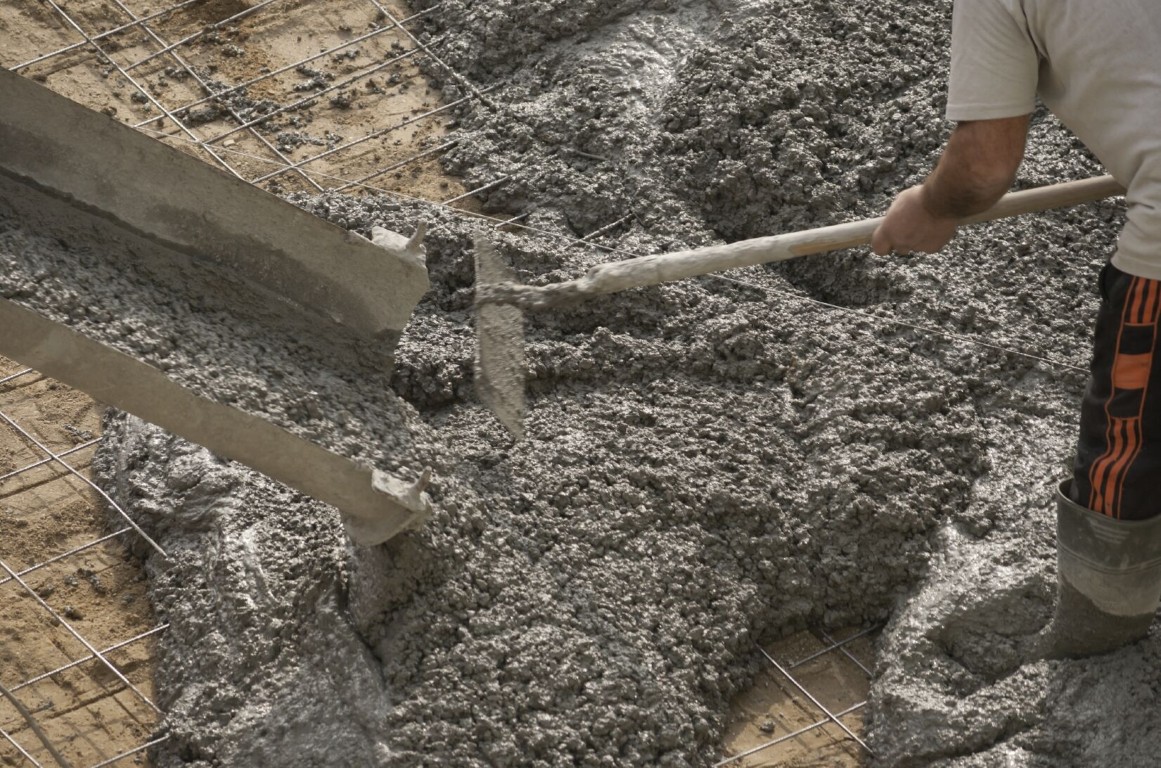
Excavation comes next, creating space for the footing and the wall itself. We dig to the required depth and width, then compact the soil at the bottom. The footing gets poured and reinforced according to design specifications. For poured walls, we build forms and install rebar in a grid pattern. For block walls, we lay the first course on the cured footing, then build up course by course with reinforcement and grout fill as we go.
Backfilling happens in stages as the wall goes up. We use free-draining gravel near the wall and install drainage pipe at the footing level. This pipe connects to daylight or a drainage system to carry water away. Native soil goes back on top of the gravel, compacted in layers to prevent settling. Any finish work like stucco or stone veneer gets applied after the structural work is complete. The result is a professional installation that performs as designed and looks great. See our main services page for more about our complete concrete capabilities.
Frequently Asked Questions
How tall can a retaining wall be without engineering?+
Building codes typically allow walls up to 4 feet tall without formal engineering calculations. Beyond that height, you need engineered designs and often building permits. However, site conditions can require engineering even for shorter walls. Steep slopes, poor soil, or high water tables create challenging conditions that benefit from engineering analysis. Walls supporting structures like decks or buildings always need engineering regardless of height. We evaluate your situation and recommend when engineering is necessary or just good practice. Engineered walls aren't necessarily more expensive because the design optimizes materials and construction methods. They do provide confidence that the wall will perform safely for its full lifespan.
What causes retaining walls to fail?+
Most retaining wall failures result from inadequate drainage. Water trapped behind the wall creates massive pressure that pushes the wall outward. Eventually the wall tips, cracks, or slides forward. Other common failure modes include inadequate footings that allow settling, insufficient reinforcement that leads to cracking, and poor backfill that doesn't drain properly. Walls built without proper design for their height and soil conditions are prone to problems. We prevent these failures by following proven design principles and using appropriate construction methods. Proper drainage systems are mandatory on every wall we build. Quality construction costs more initially but prevents the expense and disruption of rebuilding failed walls.
How much does a retaining wall cost per foot?+
Retaining wall costs vary widely based on height, materials, site access, and complexity. Simple segmental block walls might run $25 to $40 per square foot of wall face. Poured concrete walls typically cost $40 to $60 per square foot or more depending on height and finish requirements. These prices include excavation, materials, labor, and drainage systems. Difficult access, rock excavation, or very tall walls increase costs. We provide detailed quotes after evaluating your specific project. The quote breaks down costs so you understand what you're paying for. Keep in mind that retaining walls are structural elements, not landscaping features. Proper construction requires skilled labor and appropriate materials. Cutting corners leads to failures that cost far more to fix than doing it right initially.
Ready to Build Your Retaining Wall?
Get a free consultation and quote for your retaining wall project. We'll assess your property and recommend the best solution for your needs.
(726) 465-9261