Concrete Repair & Replacement
We restore damaged concrete and replace failed surfaces to extend the life of your property.
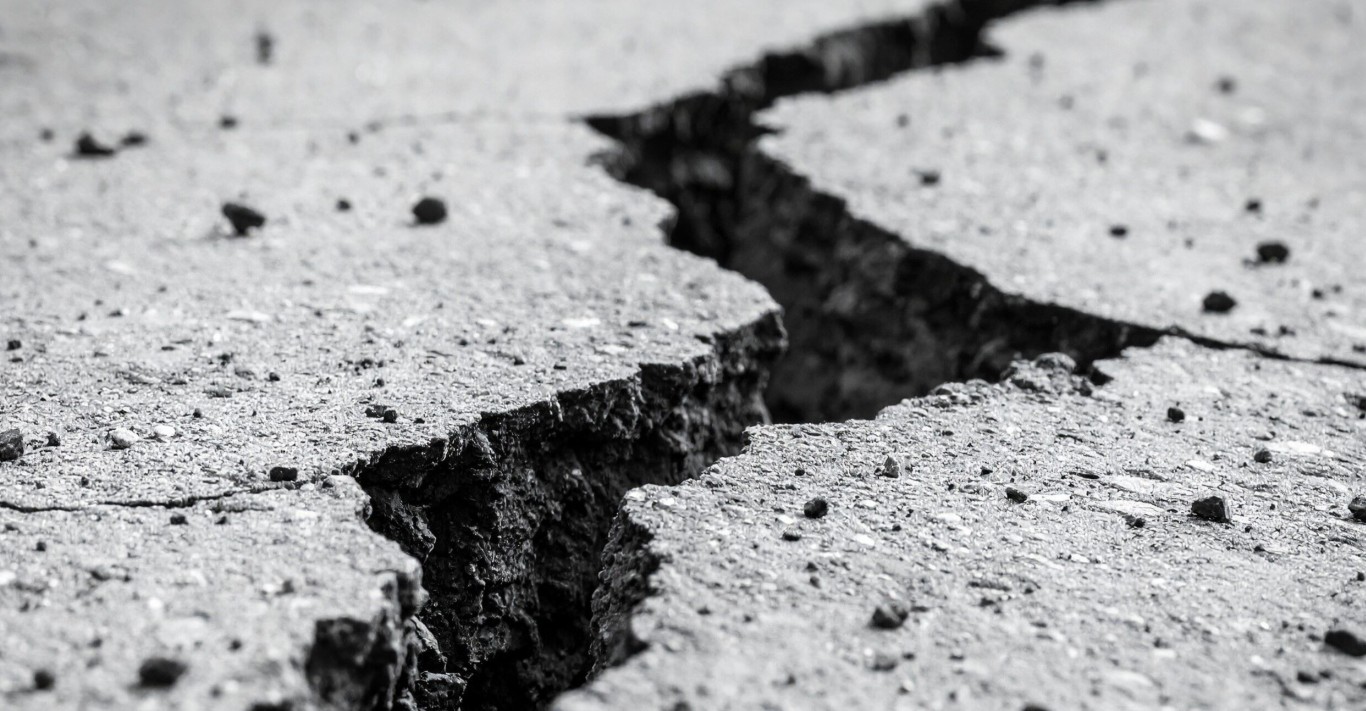
Concrete doesn't last forever. Weather, soil movement, tree roots, and heavy use all take their toll over time. You might notice cracks spreading across your driveway, sections of your patio sinking unevenly, or chunks breaking off your sidewalk edges. These problems won't fix themselves. They only get worse as water seeps into the damage and freezes during winter. The good news is that many concrete problems can be repaired before you need a full replacement.
We evaluate your damaged concrete and recommend the most cost-effective solution. Sometimes a targeted repair saves you thousands compared to tearing everything out. Other times replacement makes more sense because the underlying structure has failed. We give you honest advice based on what we see. Our repair work restores function and appearance while our replacement services give you a fresh start with properly installed concrete. Either way, you get results that last.
Common Concrete Problems We Fix
Different problems require different solutions. Cracks happen when concrete experiences stress beyond its capacity. Settling occurs when the soil beneath the concrete compacts unevenly or washes away. Spalling describes the surface breaking away in chips or flakes. Each issue has specific causes and requires appropriate repair methods. Here's what we commonly see in the Cibolo area.
- Cracks and structural damage: Hairline cracks might seem minor but they allow water penetration that leads to bigger problems. Wide cracks or cracks that show vertical displacement need immediate attention. We evaluate crack severity and use appropriate repair methods from epoxy injection to full section replacement.
- Sunken or uneven slabs: When sections of your concrete settle lower than surrounding areas, you get trip hazards and drainage problems. We use concrete leveling techniques to raise sunken slabs or replace sections that have dropped too far to lift.
- Surface deterioration and spalling: The top layer of concrete flaking off exposes the aggregate beneath and creates a rough, ugly surface. This usually results from freeze-thaw cycles, deicing salts, or poor finishing techniques. We remove damaged material and apply new surface layers or replace the section entirely.
- Drainage and erosion issues: Water pooling on concrete or washing away the soil beneath causes ongoing damage. We correct drainage problems as part of our repair work to prevent the same issues from returning. This might include regrading, adding drainage channels, or improving soil compaction.
When to Repair vs When to Replace
This decision affects both your immediate costs and long-term results. Repairs work well for isolated damage on otherwise sound concrete. If your driveway has a few cracks but the rest looks good, targeted repairs make sense. Replacement becomes necessary when the damage is widespread or the concrete has reached the end of its service life. Think about these factors when making your decision.
Age matters more than most people realize. Concrete installed 30 or 40 years ago used different materials and methods than we use today. Older concrete might be nearing the end of its useful life even if it looks okay. The extent of damage also guides our recommendation. A few isolated cracks are very different from a surface covered in crazing and spalling. We look at the overall condition, not just the obvious problems.
Cost comparison requires honest math. A repair that costs 40% of replacement might seem like a bargain until that repair fails in two years and you end up replacing anyway. Sometimes spending more upfront for replacement saves money over time. We walk through the numbers with you and explain what results you can expect from each option. Our goal is helping you make an informed decision, not pushing you toward the more expensive choice.
Our Professional Repair Process
Quality repairs require the right approach from start to finish. We don't just slap some patch material over the damage and call it good. Every repair begins with proper surface preparation. We remove all loose or damaged concrete, clean the repair area thoroughly, and prepare bonding surfaces. The repair materials we use are specifically designed for concrete restoration, not generic products from the hardware store.
Assessment and Planning
We start by examining your concrete to identify all issues, not just the obvious damage. Sometimes what looks like a simple crack indicates a more serious underlying problem. We check for proper drainage, adequate base support, and signs of continuing movement. This assessment determines whether repair will actually solve your problem or just delay the inevitable. We explain what we find and recommend the approach that makes the most sense for your situation.
Expert Repair Execution
Once we agree on the plan, we execute the repair work with attention to detail. Crack repairs might use epoxy injection, routing and sealing, or stitching techniques depending on the crack characteristics. Surface repairs involve removing deteriorated material, applying bonding agents, and installing new concrete or specialized repair mortars. We match colors and textures as closely as possible so repairs blend with existing concrete. The finished repair should perform well and look good. Similar attention goes into our complete concrete services for any type of project.
Frequently Asked Questions
How long do concrete repairs typically last?+
The lifespan of concrete repairs depends on several factors including the type of damage, repair method used, and ongoing conditions. Quality crack repairs using proper epoxy or polyurethane injection can last 10 to 15 years or more. Surface repairs and patching typically last 5 to 10 years if done correctly with appropriate materials. The key is addressing the root cause of the damage, not just treating symptoms. If we repair a crack but don't fix the drainage problem that caused it, the crack will return. We focus on lasting solutions that address both the visible damage and underlying issues. Regular maintenance and proper care extend the life of any repair work.
Can you match the color of existing concrete when doing repairs?+
We do our best to match existing concrete color but perfect matches are difficult to achieve. Concrete changes color as it ages, accumulates stains, and weathers over time. New repair material will look different initially even when we use color additives. The good news is that repairs usually blend better as they age and weather. For large visible repairs, we sometimes recommend resurfacing the entire area so everything matches. This works well for patios and other decorative surfaces where appearance matters most. We discuss appearance expectations during our consultation so you know what results to expect. Structural repairs focus more on function than looks, though we still aim for the best appearance possible.
How much does concrete repair cost compared to replacement?+
Repair costs vary widely based on damage extent and repair complexity. Simple crack repairs might cost a few hundred dollars while extensive patching and leveling can run into thousands. Generally, repairs cost 30% to 50% of what full replacement would cost for the same area. However, you need to consider value over time, not just immediate cost. A repair that costs 40% of replacement but only lasts 3 years provides less value than replacement that lasts 30 years. We provide detailed quotes for both repair and replacement options when both are feasible. This lets you make an informed decision based on your budget, timeline, and long-term goals. Our pricing is transparent and we explain exactly what work is included.
Ready to Fix Your Concrete?
Get a free inspection and honest assessment of your concrete repair needs. We'll explain your options and provide a detailed quote.
(726) 465-9261